Blog

Your blog category

Plant-Based Vegan (PBV) Meat Market in India: A Closer Look

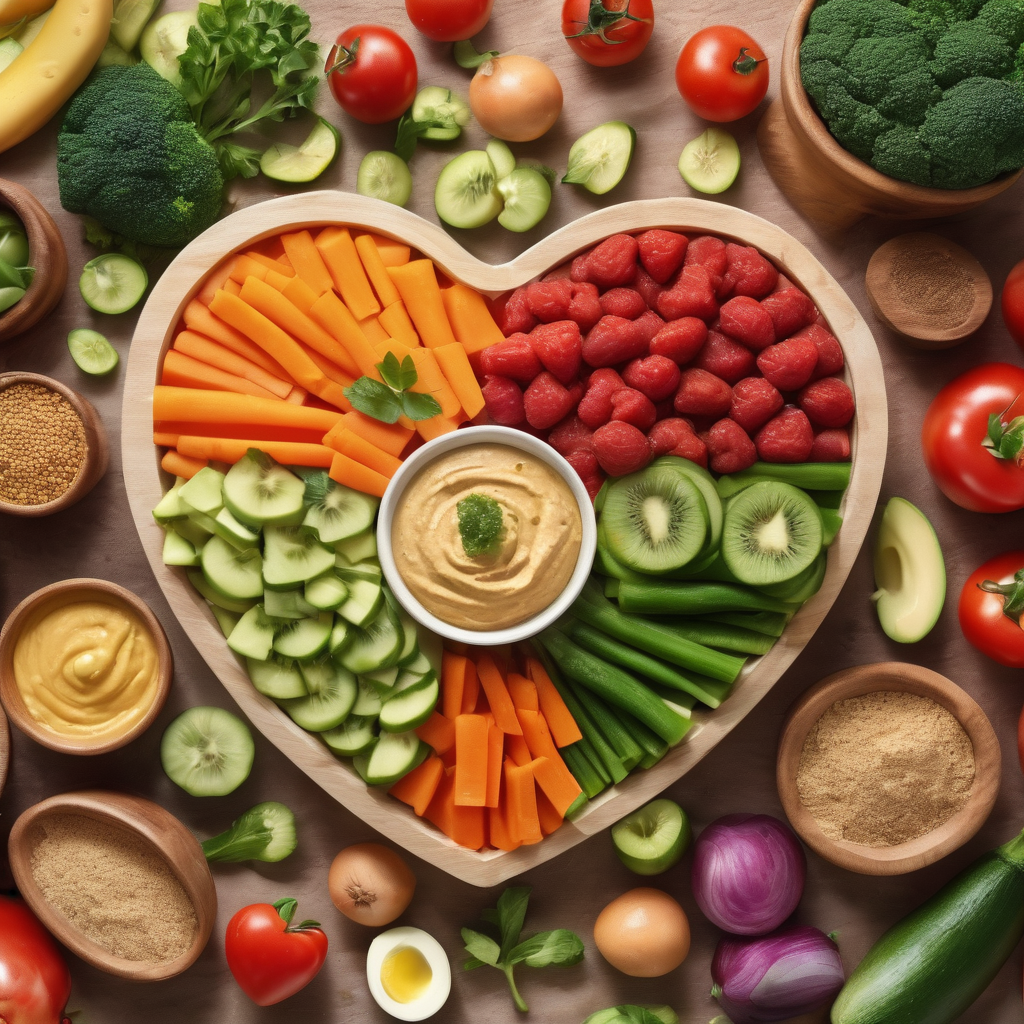
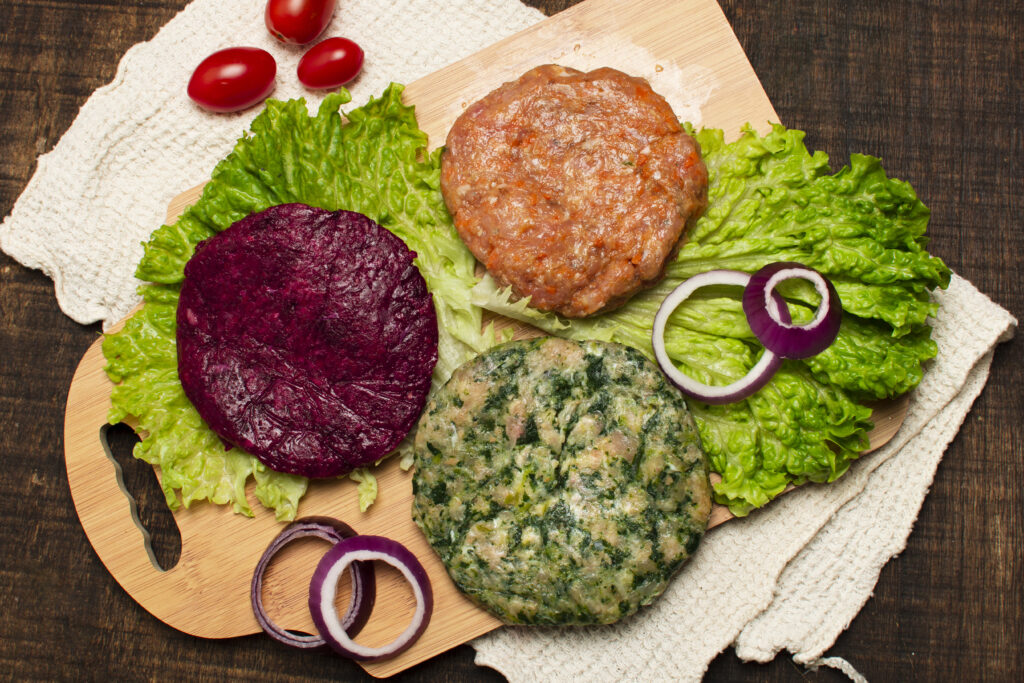
Background: The introduction of plant-based vegan products in India was initially met with enthusiasm, with projections for the market to reach $500M by 2024. However, as per a recent article, the market today stands at $160M, and ITC Ltd. and Tata Consumer Products Ltd. have announced plans to exit the Indian PBV market. Reasons for the Situation Today: Price: In a price-sensitive market, PBV products cost ~5x of soya and 2-3x of frozen chicken nuggets, appealing only to a niche audience. Positioning as a Meat Alternative: Existing PBV products have 50% higher calorie content and 25% lower protein content compared to meat, damaging their perception as a meat alternative. The lack of effective marketing further hindered their acceptance. Undesirable Taste: Customers often reported an undesirable aftertaste and bitterness in PBV products. Future of PBV: The PBV industry in India is still in its nascent stage. Unlike the Western world, where development is focused mainly on creating meat alternatives, the Indian market offers the opportunity to reintroduce PBV with a differentiated price-to-value proposition. With a dominant vegetarian population, favorable demographics, and increasing consumer awareness of nutritional content, India continues to offer a significant opportunity for PBV products tailored to the Indian audience. Additionally, the broader bandwidth of diverse ingredients opens up avenues to evolve products around taste, positioning, and marketing to better align with the market demands. Some manufacturers remain optimistic and have already made progress on offering concrete value propositions. We believe this segment is too attractive to ignore based on initial perceptions of the product and on its positioning. The inherent nutritional benefits offered by PBV products will allow manufacturers to remain engaged in this segment and serve the Indian vegetarian population with a unique yet affordable experience.

Plant-Based Vegan (PBV) Meat Market in India: A Closer Look Read More »
Rise of Technology in Food Processing

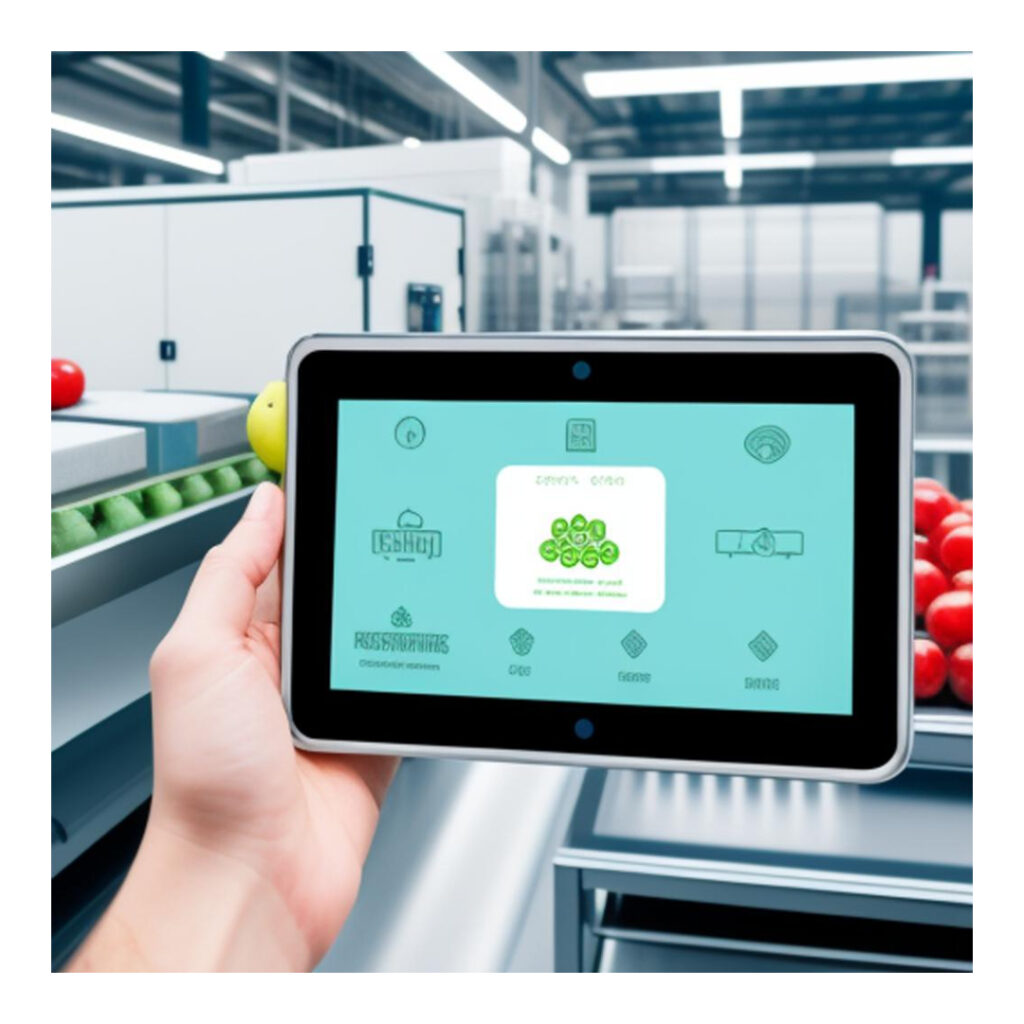
In the dynamic landscape of food processing, technology is steering a transformative journey, revolutionizing the sector. From precision machinery to innovative digital solutions, the integration of technology has become the backbone of modern food processing. Advancements such as automated production lines, smart sensors, and artificial intelligence are streamlining processes, enhancing efficiency, and ensuring higher levels of quality control. The adoption of cutting-edge technologies in food processing not only accelerates production but also minimizes waste, contributing to sustainable practices. The advent of blockchain technology is bringing transparency to the supply chain, assuring consumers of the origins and quality of their food. In spite of these developments, the integration of technology is still in its nascent stages. The potential for growth is enormous, promising further innovations that will redefine how we produce food.

Rise of Technology in Food Processing Read More »

The Phenomenal Rise of Nutritional Alternatives in Food Processing

In recent years, the food processing industry has experienced a notable upswing in the demand for nutritional alternatives, particularly soya and plant-based meat. This trend aligns with the growing consumer preference for healthier lifestyles, prompting a transformation in the sector to accommodate these evolving needs. These alternatives not only address health considerations but also cater to diverse dietary requirements, including vegetarian diets, lactose intolerance, and allergies. In India, with a substantial vegetarian population of approximately 30%, consumers are increasingly cognizant of the environmental and health impacts of their dietary choices. Consequently, there’s a rising inclination towards plant-based options. According to APEDA (Agricultural and Processed Food Products Export Development Authority), India’s plant- based food market is anticipated to exhibit a robust 11.8% CAGR from 2021 to 2028. With advancements in technology and an ever-expanding array of delectable plant-based options, the future holds exciting possibilities for the nutritional alternates food processing sector.

The Phenomenal Rise of Nutritional Alternatives in Food Processing Read More »

Processed Food Consumption on the Rise in India

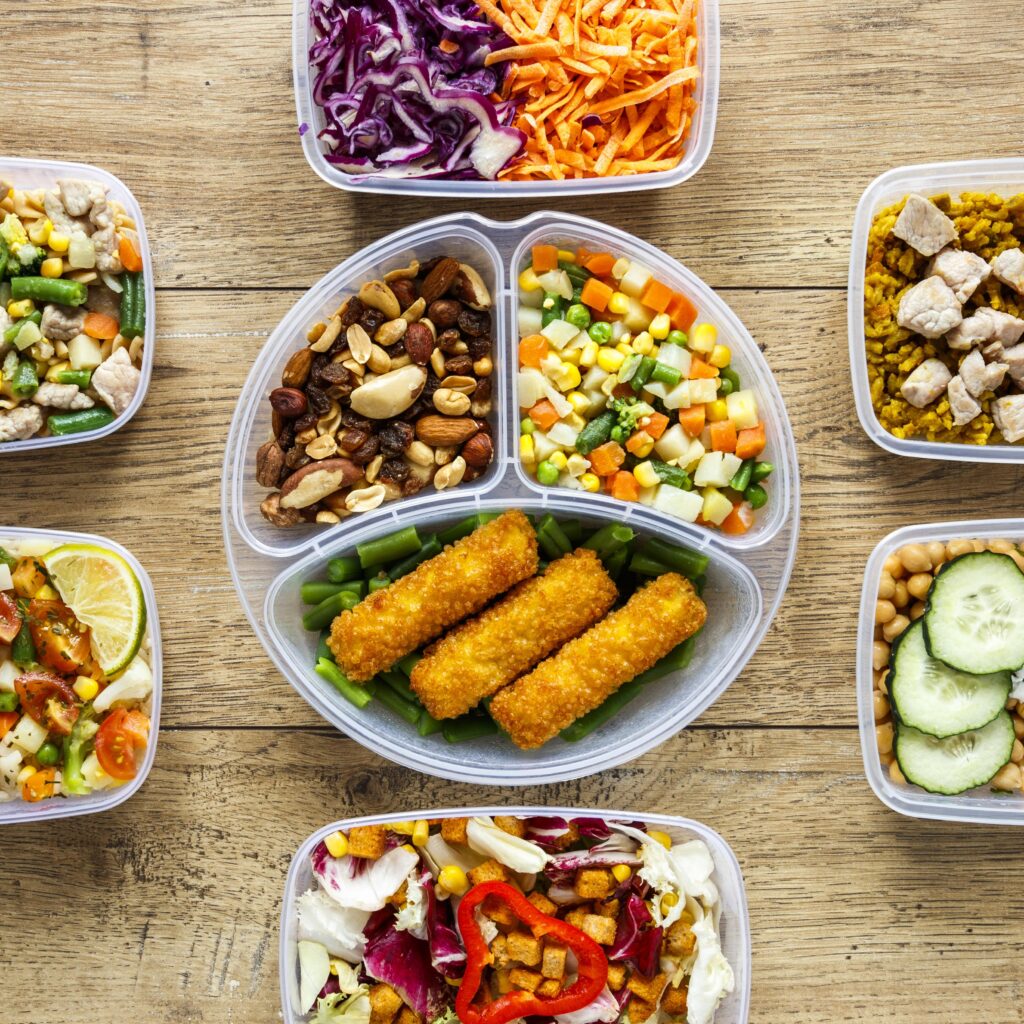
In recent years, India has witnessed a significant surge in the consumption of processed foods, reflecting changing lifestyles and urbanization. According to recent report, the processed food market in India is experiencing robust growth, with a projected CAGR of 9.5% from 2023 to 2028. Factors contributing to this shift include the increasing influence of Western dietary patterns, a rise in dual-income households, and the convenience offered by processed foods in fast-paced urban settings. Ready-to-eat meals, packaged snacks, and convenience foods are gaining popularity, reshaping traditional eating habits. As per the National Sample Survey (NSS), urban households in India are spending around 32% of their food budget on processed and packaged foods, showcasing a notable shift in consumer behaviour. India’s rising processed food consumption signals a lucrative market, presenting substantial opportunities for food processing companies eyeing sustained growth.

Processed Food Consumption on the Rise in India Read More »

Scroll to Top

Please Fill the Form